



Jellyfish of Thailand: which live here and how dangerous they are
Thai waters hold both harmless jellyfish and some of the most venomous animals in the sea. These are the species most often met off the beaches of Phuket, Samui, Pattaya and other resorts, from the most dangerous to harmless.
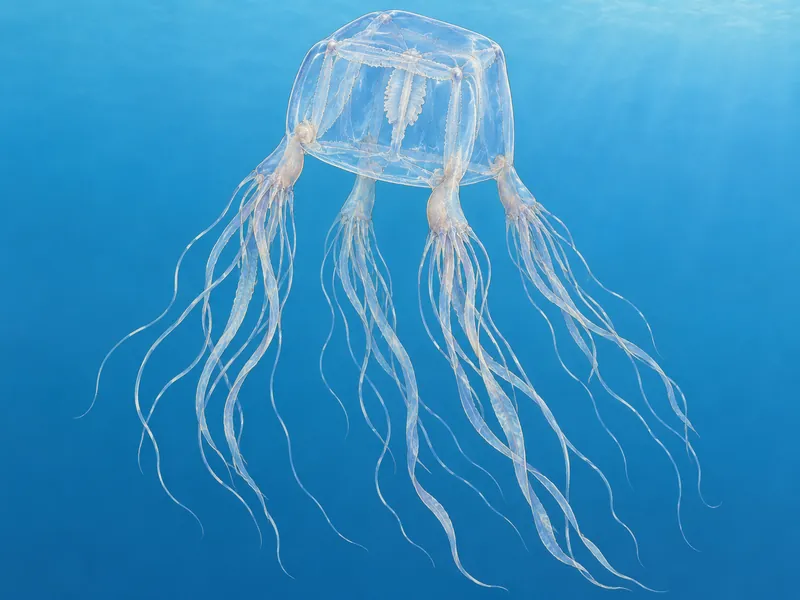 Thai box jellyfish (Chironex)Chironex indrasaksajiaePotentially deadlyThe most dangerous jellyfish in Thailand: a large sting can stop the heart within minutes. Chironex box jellyfish are linked to most jellyfish deaths in the country. It is nearly transparent and usually invisible in the water.
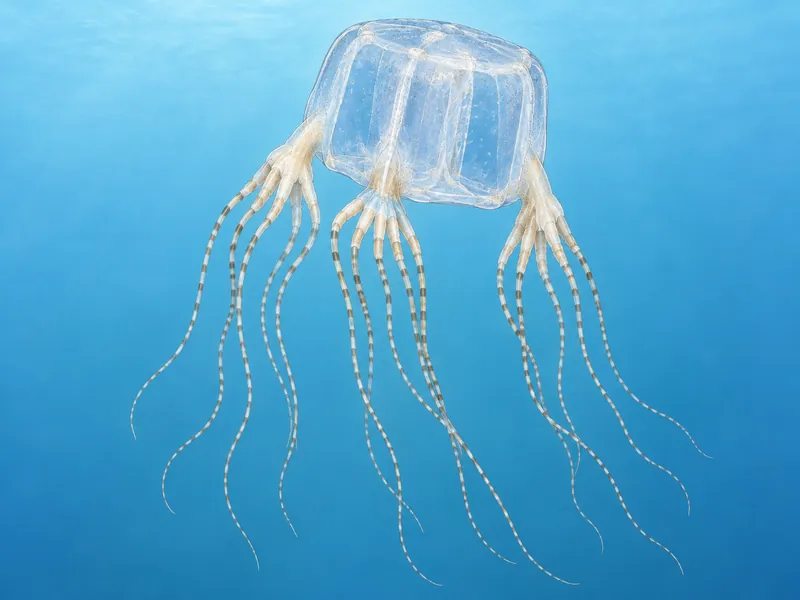 Chiropsoides box jellyfishChiropsoides buitendijkiSevere stingThe most commonly found multi-tentacled box jellyfish in Thailand. Its sting is usually milder than Chironex but very painful. The two look almost identical, so first aid is the same as for a potentially deadly box jellyfish.
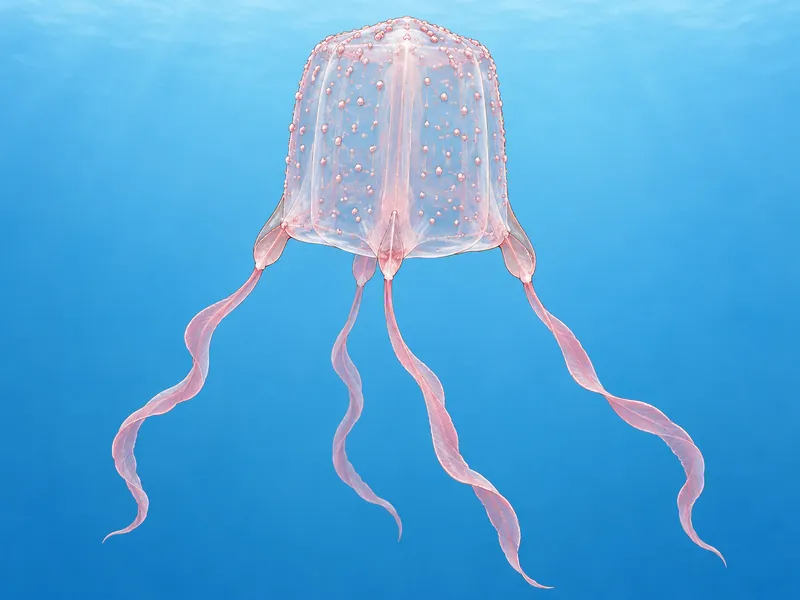 Morbakka (single-tentacle box jellyfish)Morbakka spp.Severe stingA box jellyfish with one tentacle in each corner. Its sting can cause an Irukandji-like syndrome — a severe whole-body reaction that develops 5–40 minutes after the sting. Victims can panic and drown, so get out of the water straight away.
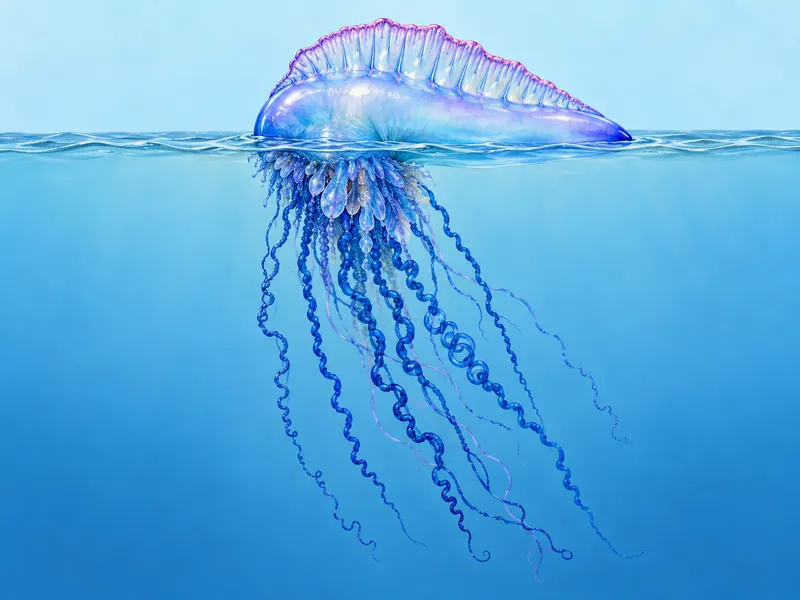 Portuguese man o’ war (bluebottle)Physalia sp.Severe stingNot a true jellyfish but a colony of organisms under a gas float, drifting on the surface and blown ashore by wind. The sting is very painful and can sometimes cause a whole-body reaction. Tentacles of stranded bluebottles still sting.
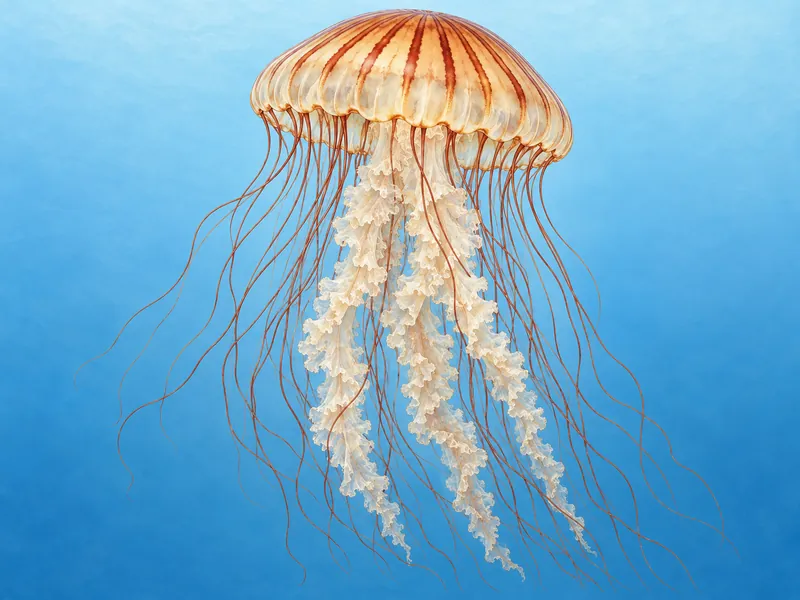 Sea nettle (fire jellyfish)Chrysaora chinensisSevere stingThais call it the “fire jellyfish” for its strong burning sting. It occurs on both sides of the peninsula year-round and often drifts to beaches in numbers. Usually not life-threatening, but painful and slow to settle.
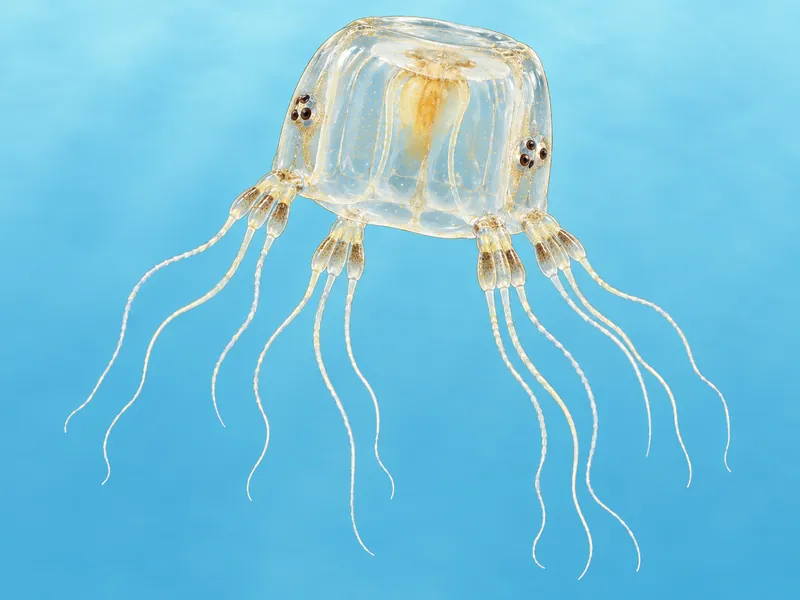 Mangrove box jellyfish (Tripedalia)Tripedalia spp.Moderate stingA tiny, fingernail-sized box jellyfish of mangroves and sheltered bays. Its sting is usually mild. By size and shape it is easy to confuse with young dangerous box jellyfish.
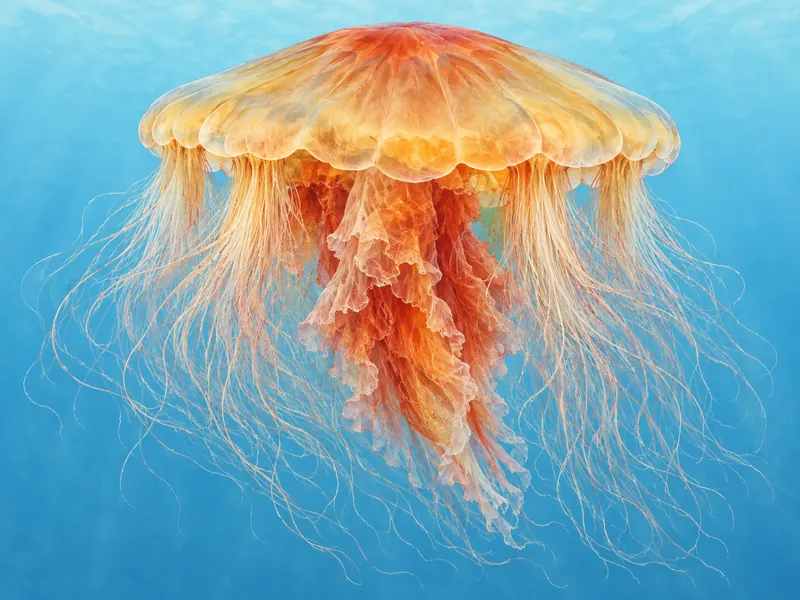 Lion’s mane jellyfishCyanea buitendijkiModerate stingA tropical relative of the famous northern lion’s mane. The sting is usually moderate, but its many long, fine tentacles can cover a large area of skin.
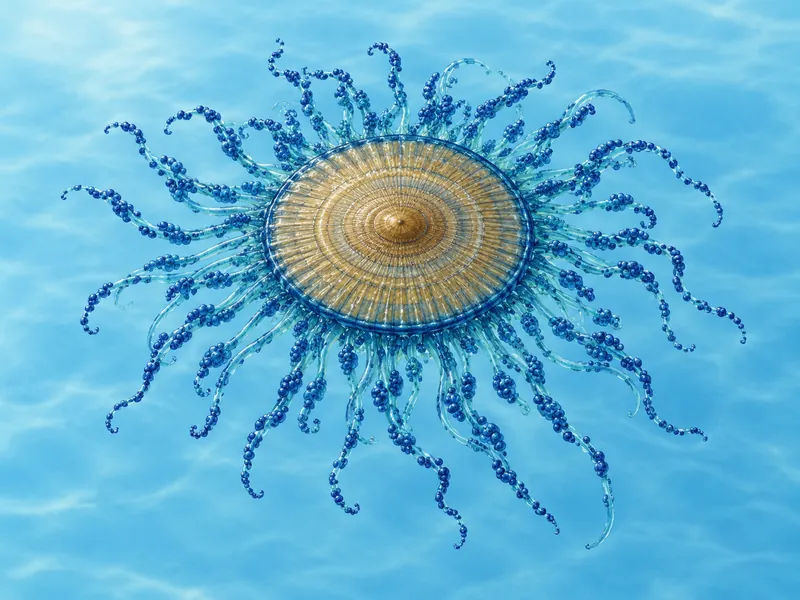 Blue buttonPorpita porpitaModerate stingA small floating disc with a blue fringe that wind sometimes pushes onto beaches in large numbers. It is not a true jellyfish but a relative of the bluebottle. The sting is usually mild, though it can burn.
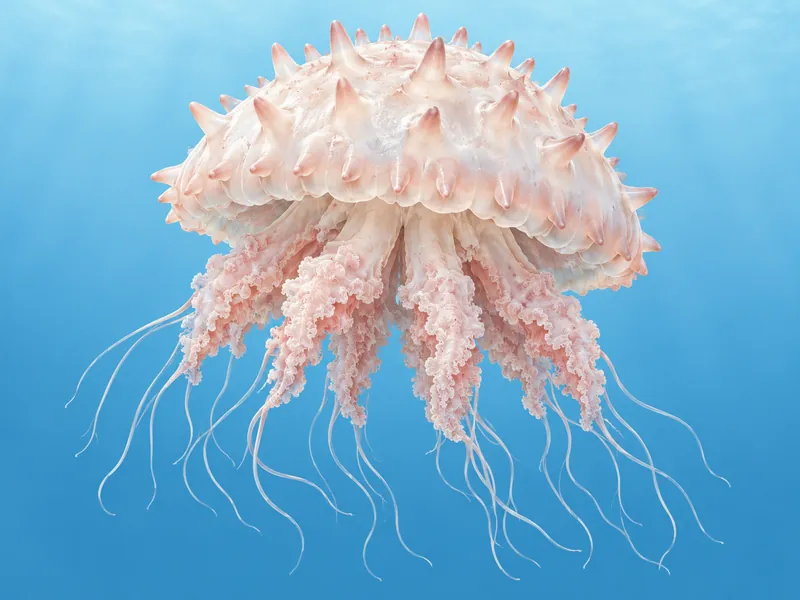 Hairy jellyfish (Lobonema)Lobonema smithiiModerate stingA large, firm jellyfish that is fished and eaten in Thailand. Alive, it stings: the projections on its bell and its oral arms carry stinging cells.
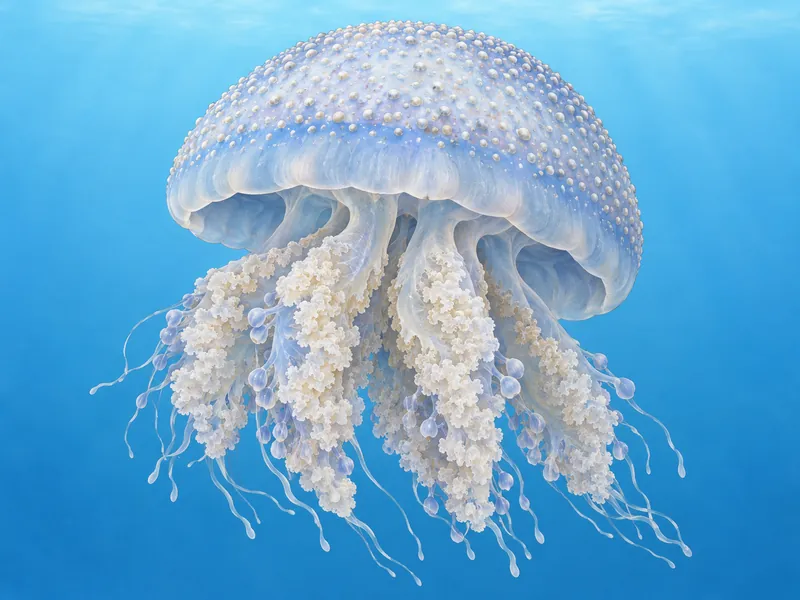 Edible jellyfish (Rhopilema)Rhopilema hispidumModerate stingThailand’s main edible jellyfish. The sting is usually mild, but the oral arms do sting and some people get a long-lasting itchy rash. Similar root-mouth jellyfish (Catostylus, Acromitus) also usually sting mildly.
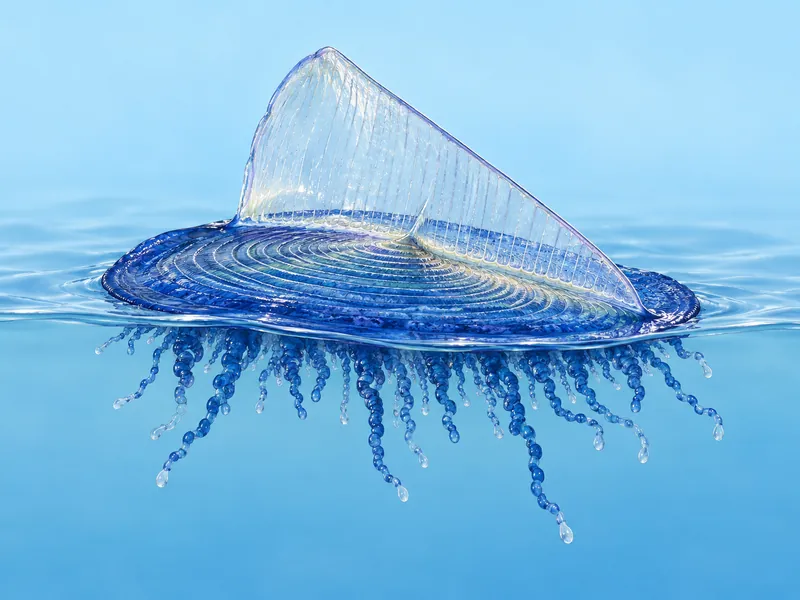 By-the-wind sailorVelella velellaNearly harmlessA blue float with a clear sail that drifts with the wind and sometimes washes up in thousands. Usually close to harmless for people, but still best not handled.
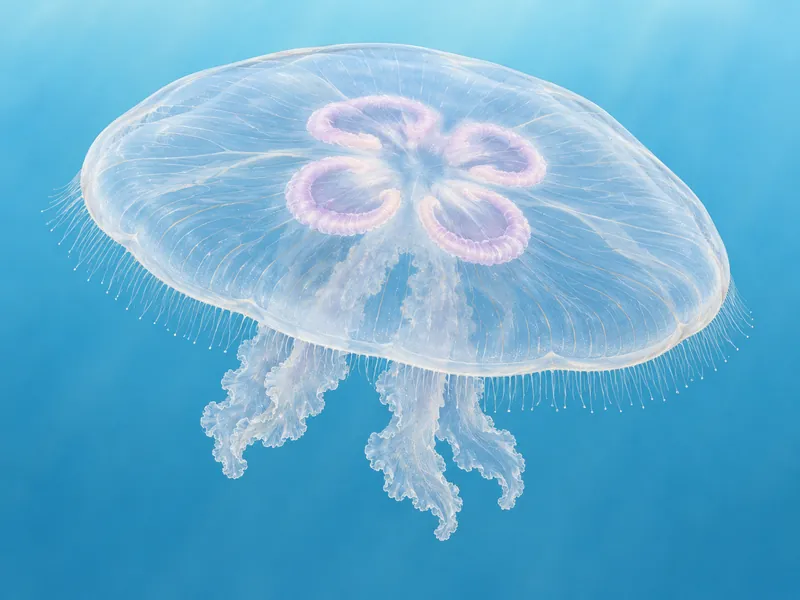 Moon jellyfishAurelia sp.Nearly harmlessOne of the most recognisable jellyfish in the world. Its sting is usually barely felt — most people notice only a slight prickle. It often gathers in large groups in calm water.
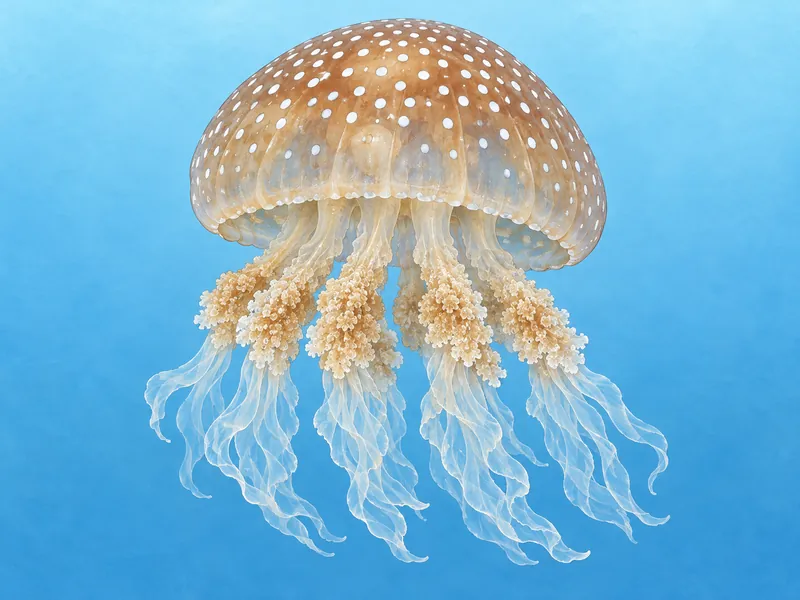 White-spotted jellyfishPhyllorhiza punctataNearly harmlessA pretty polka-dot jellyfish that divers often see around Koh Tao and Koh Phangan. Its sting is very weak — most people feel nothing.
Pictures are illustrations, not photographs.
Phuket has two jellyfish seasons
June–September, south-west monsoon
Onshore wind pushes bluebottles (Portuguese man o’ war) onto the beaches, especially on the exposed west coast after several days of steady westerly wind.
January–April, dry season
Beachgoers most often report other jellyfish: large rhizostome jellyfish, lilac medusae and stinging plankton. The peak is in January, with a second wave in March in some years. The sea is calm then, and stinging plankton shows up as a prickling of the skin in the water.
Questions and answers
Which jellyfish live in Thailand?
Thai box jellyfish (Chironex), Chiropsoides box jellyfish, Morbakka (single-tentacle box jellyfish), Mangrove box jellyfish (Tripedalia), Portuguese man o’ war (bluebottle), Sea nettle (fire jellyfish), Lion’s mane jellyfish, Blue button, By-the-wind sailor, Hairy jellyfish (Lobonema), Edible jellyfish (Rhopilema), Moon jellyfish, White-spotted jellyfish
Where in Thailand are box jellyfish found?
Described from the Gulf of Thailand (Chanthaburi, Rayong, Koh Phangan); related Chironex species also occur on the Andaman coast. Most severe cases happen on Koh Samui and Koh Phangan from July to November, around Koh Mak and Koh Kood from December to March, and on Koh Lanta from March to June. Usually found on calm days, in shallow sandy water away from reefs, often towards evening.
What should I do if a jellyfish stings me in Thailand?
Get out of the water. Call 1669 for trouble breathing, chest pain or collapse. Do not rub the sting and do not rinse it with fresh water. If a box jellyfish is possible, pour vinegar over the sting for at least 30 seconds.