



Thai box jellyfish (Chironex) in Thailand
Chironex indrasaksajiae · Family: Chirodropidae · In Thai: แมงกะพรุนกล่อง
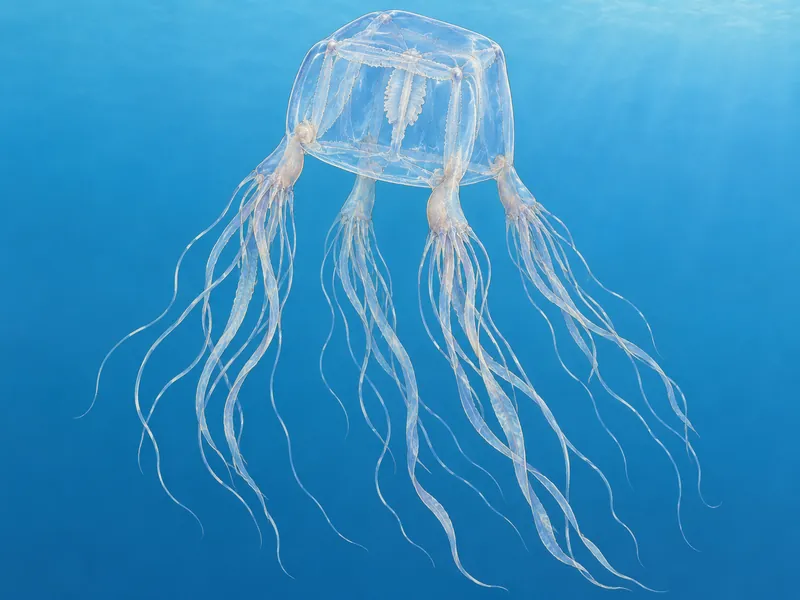
The most dangerous jellyfish in Thailand: a large sting can stop the heart within minutes. Chironex box jellyfish are linked to most jellyfish deaths in the country. It is nearly transparent and usually invisible in the water.
What it looks like
A clear, faintly bluish cube-shaped bell. Each of the four lower corners carries a fleshy arm (pedalium) with a bundle of up to 12 thin, ribbon-like tentacles.
Size: Bell up to 15–17 cm tall; tentacles can stretch to about 3 m.
Where and when in Thailand
Described from the Gulf of Thailand (Chanthaburi, Rayong, Koh Phangan); related Chironex species also occur on the Andaman coast. Most severe cases happen on Koh Samui and Koh Phangan from July to November, around Koh Mak and Koh Kood from December to March, and on Koh Lanta from March to June. Usually found on calm days, in shallow sandy water away from reefs, often towards evening.
Gulf of Thailand · Andaman Sea · Most often: July, August, September, October, November
The sting
Instant, burning pain with whip-like tentacle marks on the skin. A large sting can cause collapse, breathing failure and cardiac arrest within minutes. Any box jellyfish sting needs an ambulance.
First aid
📞 Emergency medical services in Thailand: 1669
Get the person out of the water and call 1669; if they are not breathing, start CPR. Pour household vinegar over the sting for at least 30 seconds, then remove remaining tentacles with tweezers or fingers and rinse your fingers afterwards. Do not rub, and do not use fresh water, alcohol or urine. If there is no vinegar, rinse with seawater; a cold pack can ease pain.
Lookalikes
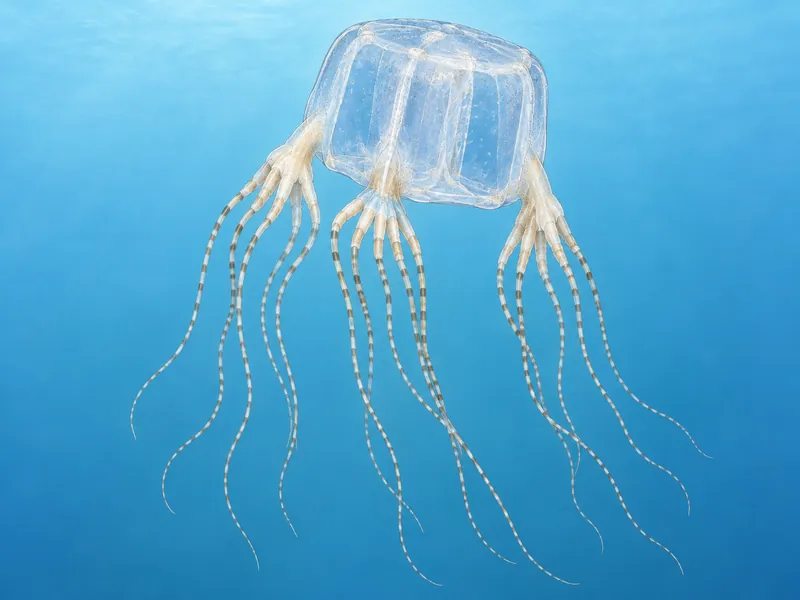
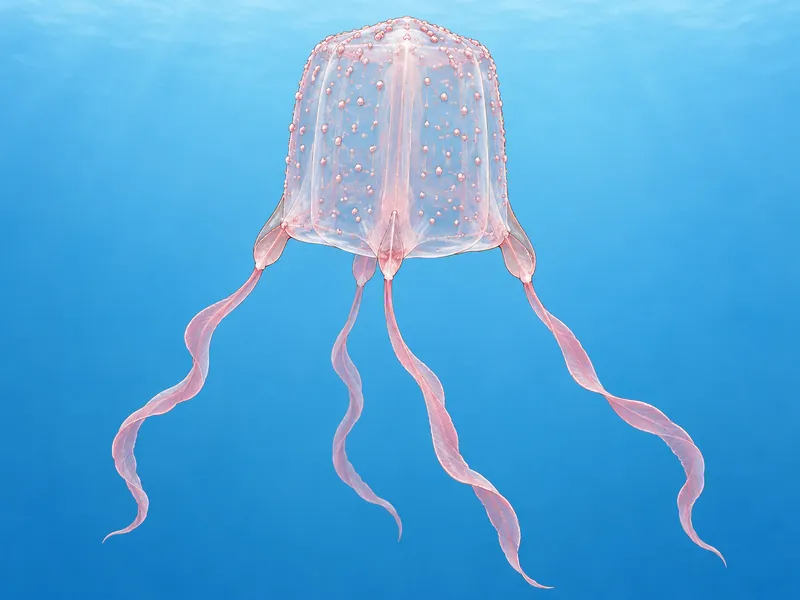
Looks like Chiropsoides (same body plan, less dangerous) — they cannot be told apart in the water by non-experts, so treat any multi-tentacled box jellyfish as potentially deadly. Smaller Morbakka box jellyfish have a single tentacle per corner.
Did you know
- The species was only formally described in 2017 and named after Queen Indrasakdi Sachi.
- Since 2000 Thailand has recorded 10 deaths and about 40 severe cases from toxic jellyfish, almost all from box jellyfish.
- Box jellyfish have eyes — six in each of their four sensory clusters.
- The vinegar posts on Koh Samui, Koh Phangan and Koh Mak beaches are there because of box jellyfish.
Also called: Sea wasp, Mangkaprun klong, Chironex spp.
Full first-aid guide →
Report jellyfish →
Sources
- Sucharitakul et al. (2017). Description of Chironex indrasaksajiae sp. nov. Phuket Mar. Biol. Cent. Res. Bull. 74:33–44
- DMCR — สถานภาพแมงกะพรุนพิษ ปี พ.ศ. 2566 (toxic jellyfish status, 2023)
- DMCR — สถิติอันตรายจากแมงกะพรุนพิษ (toxic jellyfish incident statistics)
- Premmaneesakul & Sithisarankul (2019). Toxic jellyfish in Thailand. Int Marit Health 70(1):22–26
- กรมควบคุมโรค — first aid for toxic jellyfish stings: vinegar, no fresh water
- ANZCOR Guideline 9.4.5 — First Aid Management of Marine Envenomation
Other jellyfish of Thailand
 Chiropsoides box jellyfish
 Morbakka (single-tentacle box jellyfish)
 Portuguese man o’ war (bluebottle)
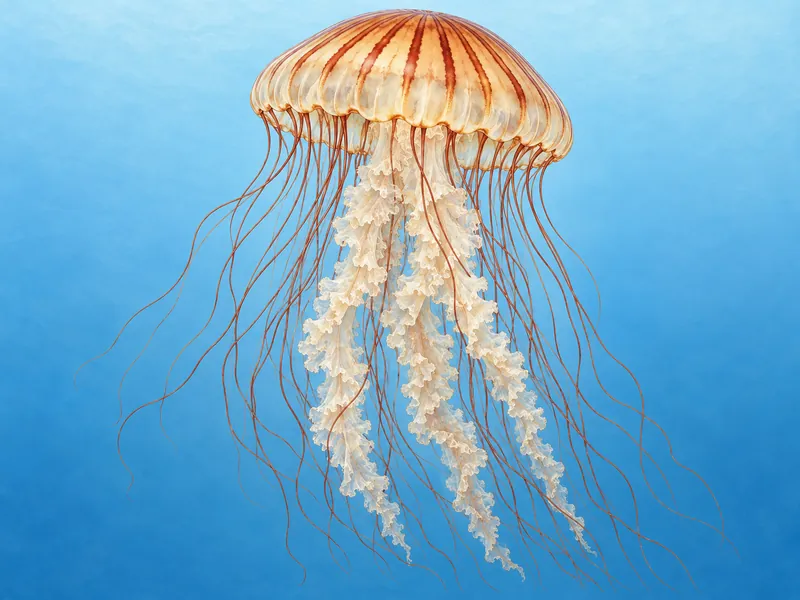 Sea nettle (fire jellyfish)
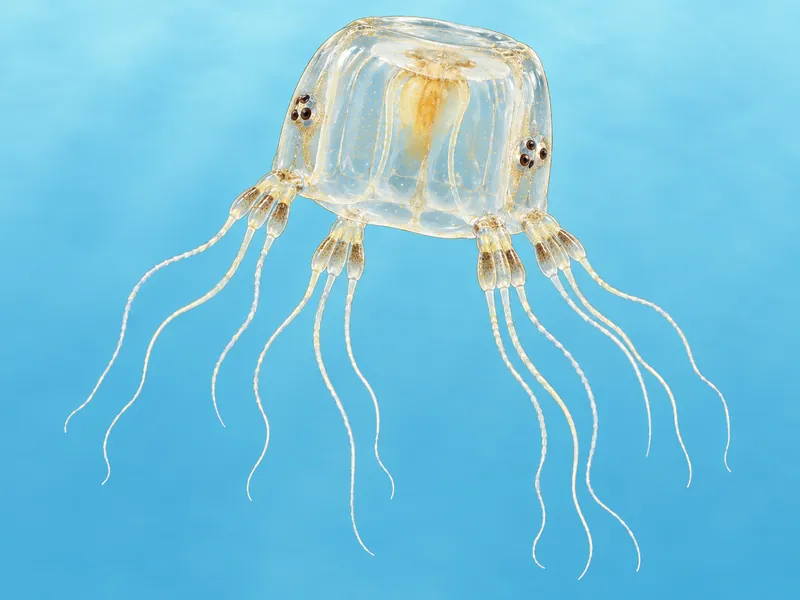 Mangrove box jellyfish (Tripedalia)
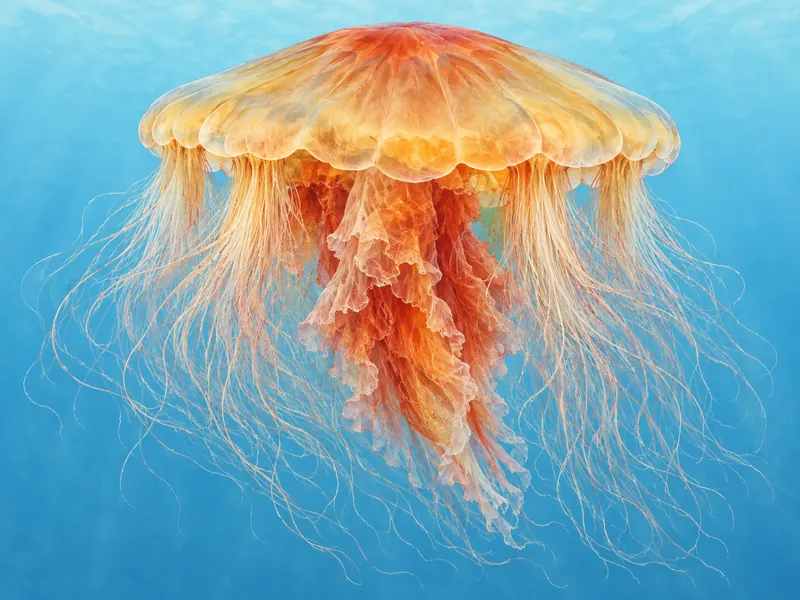 Lion’s mane jellyfish
Questions and answers
Is the thai box jellyfish (chironex) dangerous?
Potentially deadly. Instant, burning pain with whip-like tentacle marks on the skin. A large sting can cause collapse, breathing failure and cardiac arrest within minutes. Any box jellyfish sting needs an ambulance.
Where in Thailand does the thai box jellyfish (chironex) occur?
Described from the Gulf of Thailand (Chanthaburi, Rayong, Koh Phangan); related Chironex species also occur on the Andaman coast. Most severe cases happen on Koh Samui and Koh Phangan from July to November, around Koh Mak and Koh Kood from December to March, and on Koh Lanta from March to June. Usually found on calm days, in shallow sandy water away from reefs, often towards evening.
What to do if stung?
Get the person out of the water and call 1669; if they are not breathing, start CPR. Pour household vinegar over the sting for at least 30 seconds, then remove remaining tentacles with tweezers or fingers and rinse your fingers afterwards. Do not rub, and do not use fresh water, alcohol or urine. If there is no vinegar, rinse with seawater; a cold pack can ease pain.