



Sea nettle (fire jellyfish) in Thailand
Chrysaora chinensis · Family: Pelagiidae · In Thai: แมงกะพรุนไฟ
Thais call it the “fire jellyfish” for its strong burning sting. It occurs on both sides of the peninsula year-round and often drifts to beaches in numbers. Usually not life-threatening, but painful and slow to settle.
What it looks like
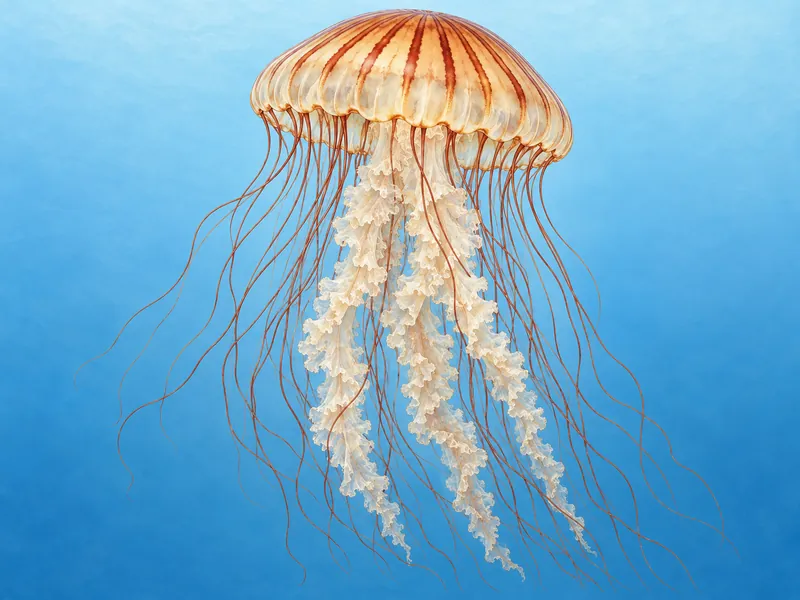
A saucer-shaped, translucent creamy bell with reddish-brown radiating stripes and a scalloped edge. Many long, thin reddish tentacles hang from the rim, with four long frilly oral arms in the centre.
Size: Bell usually 10–20 cm; tentacles can be over a metre long.
Where and when in Thailand
Year-round in the Gulf of Thailand and the Andaman Sea. Large numbers of stings were reported, for example, in Phuket in January and May 2023.
Gulf of Thailand · Andaman Sea · Most often: all year
The sting
Intense burning with red raised welts where tentacles touched; itching and rash can last several days. Rarely, nausea, weakness or headache.
First aid
📞 Emergency medical services in Thailand: 1669
Leave the water, rinse with seawater and remove tentacles; do not rub and do not use fresh water. For pain, use hot water around 45 °C for 20 minutes or a cold pack. If you are not sure which jellyfish stung, pour vinegar as for a box jellyfish sting. Call 1669 for breathing difficulty, facial swelling or stings to the eyes.
Lookalikes
Pelagia (the other species of this family in Thailand) is smaller, pinkish-mauve with warts on the bell and can glow at night. Lion’s mane jellyfish have a dense “mane” of fine tentacles under the bell.
Did you know
- Pelagiidae is one of the five toxic jellyfish groups monitored by Thailand’s Department of Marine and Coastal Resources (DMCR).
- Tentacle fragments torn off by storms can sting on their own, so people sometimes get stung without seeing a jellyfish.
Also called: Sea nettle, Fire jellyfish, Maeng kaphrun fai, Pelagia
Full first-aid guide →
Report jellyfish →
Sources
- DMCR — สถานภาพแมงกะพรุนพิษ ปี พ.ศ. 2566 (toxic jellyfish status, 2023)
- Osathanunkul et al. (2022). Distinguishing venomous jellyfish species via HRM analysis (Table 1: jellyfish of Thai waters, DMCR data). Front. Mar. Sci.
- Premmaneesakul & Sithisarankul (2019). Toxic jellyfish in Thailand. Int Marit Health 70(1):22–26
- ANZCOR Guideline 9.4.5 — First Aid Management of Marine Envenomation
Other jellyfish of Thailand
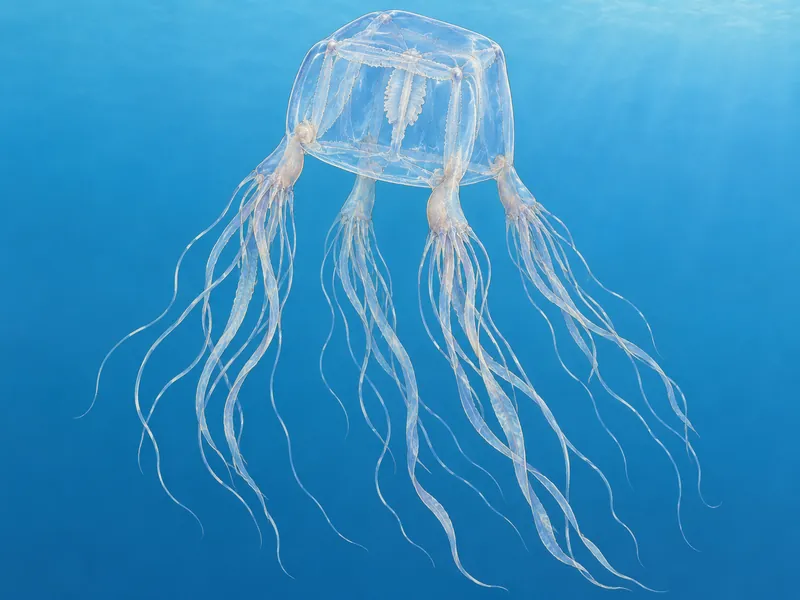 Thai box jellyfish (Chironex)
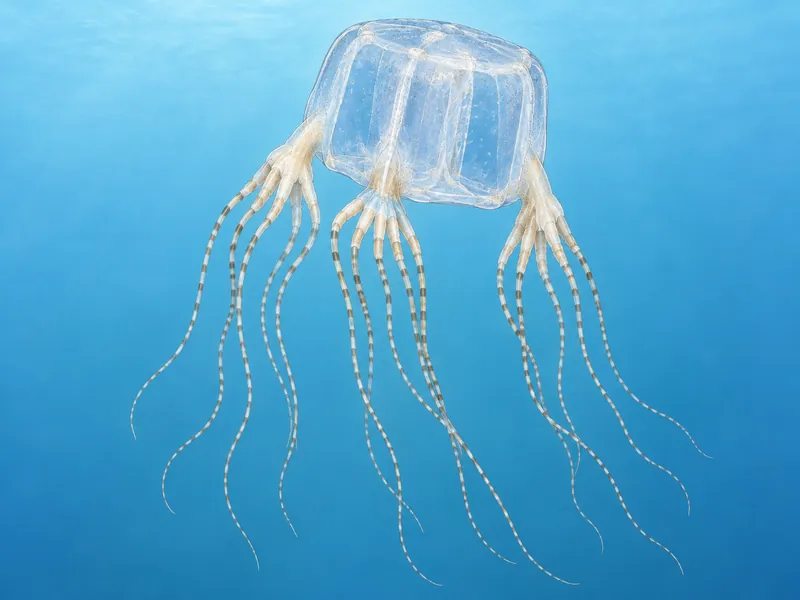 Chiropsoides box jellyfish
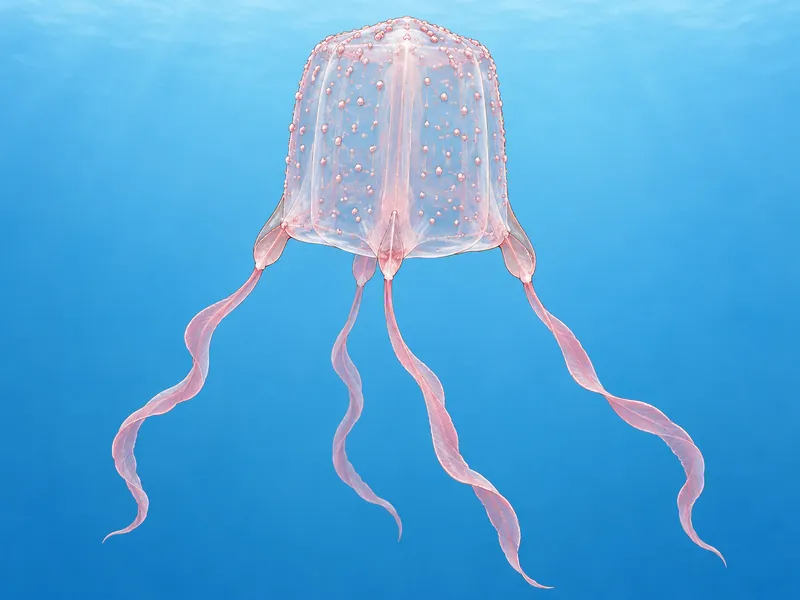 Morbakka (single-tentacle box jellyfish)
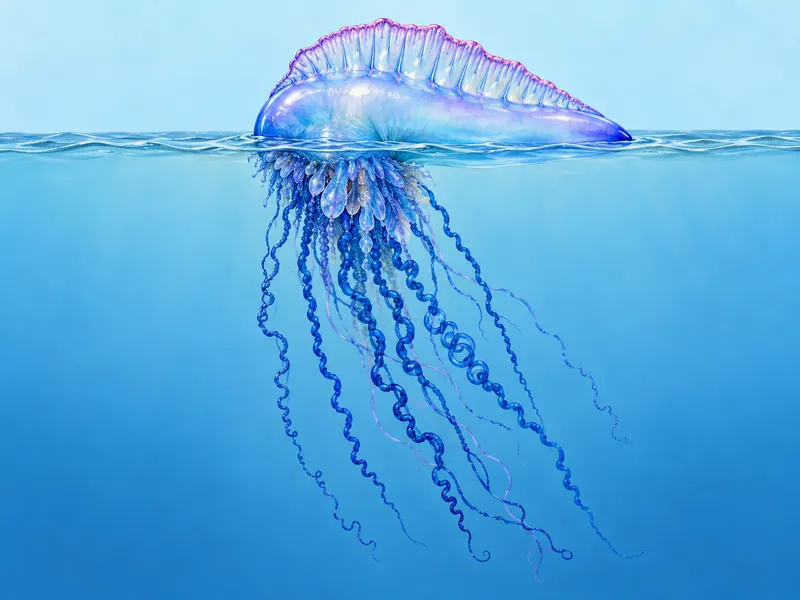 Portuguese man o’ war (bluebottle)
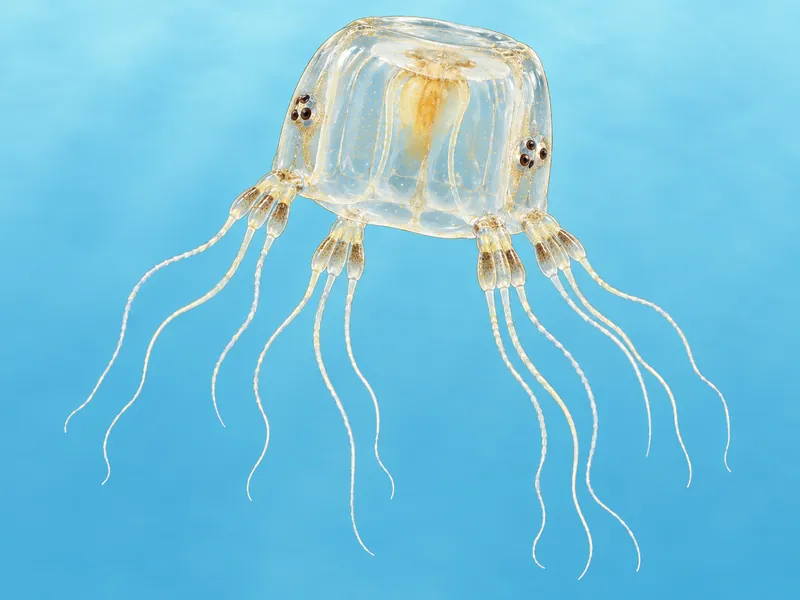 Mangrove box jellyfish (Tripedalia)
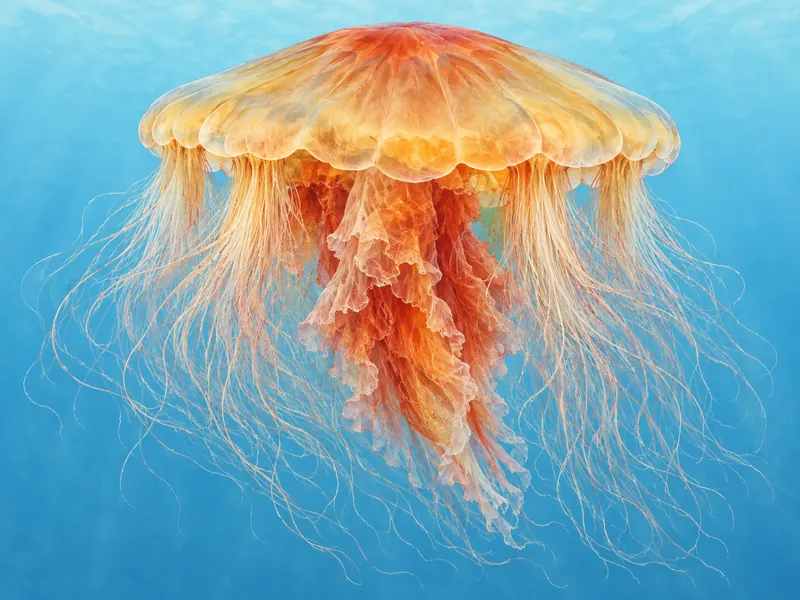 Lion’s mane jellyfish
Questions and answers
Is the sea nettle (fire jellyfish) dangerous?
Severe sting. Intense burning with red raised welts where tentacles touched; itching and rash can last several days. Rarely, nausea, weakness or headache.
Where in Thailand does the sea nettle (fire jellyfish) occur?
Year-round in the Gulf of Thailand and the Andaman Sea. Large numbers of stings were reported, for example, in Phuket in January and May 2023.
What to do if stung?
Leave the water, rinse with seawater and remove tentacles; do not rub and do not use fresh water. For pain, use hot water around 45 °C for 20 minutes or a cold pack. If you are not sure which jellyfish stung, pour vinegar as for a box jellyfish sting. Call 1669 for breathing difficulty, facial swelling or stings to the eyes.