



Jellyfish on Phuket's east coast
Today no beach on Phuket's east coast has a high jellyfish risk: the highest level is moderate (3 of 5). It is an estimate, not a guarantee: follow beach flags and lifeguards.
Jellyfish on Phuket's east coast today and for 5 days: risk on 5 beaches in 1 areas, where it is higher now, when the season is and which species occur.
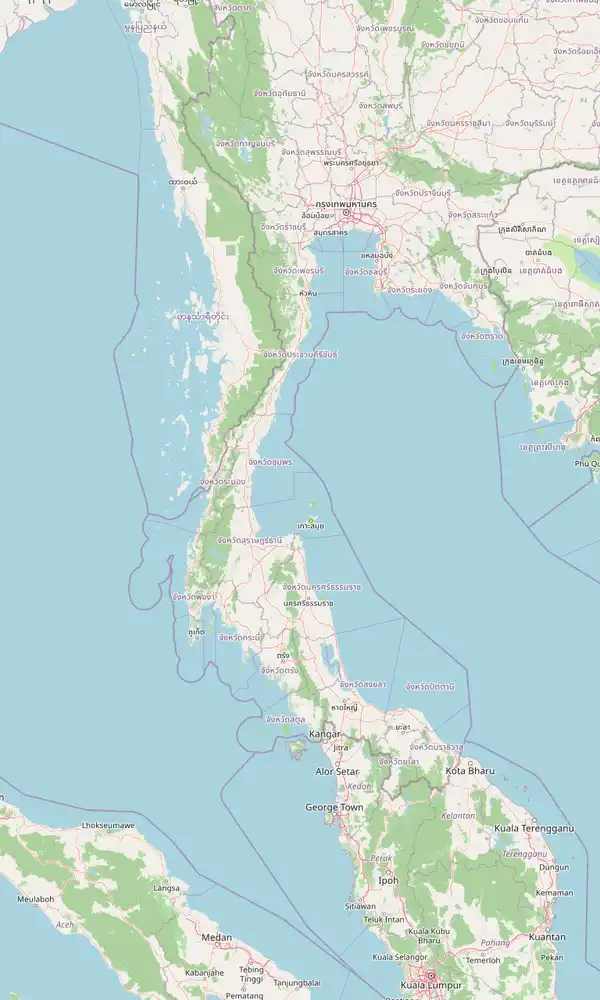
Areas by risk today
Phuket's east coast: jellyfish month by month
- 6%Jan16January: Usually moderate risk. High risk on 6% of days. Onshore wind on 89% of days. Official warnings: 0. Eyewitness reports: 16.
- 16%Feb16February: Usually moderate risk. High risk on 16% of days. Onshore wind on 88% of days. Official warnings: 0. Eyewitness reports: 16.
- 4%Mar329March: Usually moderate risk. High risk on 4% of days. Onshore wind on 81% of days. Official warnings: 3. Eyewitness reports: 29.
- 7%Apr11April: Usually moderate risk. High risk on 7% of days. Onshore wind on 48% of days. Official warnings: 0. Eyewitness reports: 11.
- 17%May24May: Usually moderate risk. High risk on 17% of days. Onshore wind on 30% of days. Official warnings: 2. Eyewitness reports: 4.
- 22%Jun32June: Usually moderate risk. High risk on 22% of days. Onshore wind on 9% of days. Official warnings: 3. Eyewitness reports: 2.
- 15%Jul21July: Usually moderate risk. High risk on 15% of days. Onshore wind on 5% of days. Official warnings: 2. Eyewitness reports: 1.
- 26%Aug14August: Usually moderate risk. High risk on 26% of days. Onshore wind on 6% of days. Official warnings: 1. Eyewitness reports: 4.
- 12%Sep1September: Usually moderate risk. High risk on 12% of days. Onshore wind on 8% of days. Official warnings: 1.
- 3%OctOctober: Usually moderate risk. High risk on 3% of days. Onshore wind on 29% of days. Official warnings: 0.
- 0%Nov3November: Usually moderate risk. High risk on 0% of days. Onshore wind on 65% of days. Official warnings: 0. Eyewitness reports: 3.
- 0%Dec13December: Usually moderate risk. High risk on 0% of days. Onshore wind on 86% of days. Official warnings: 1. Eyewitness reports: 3.
- typical level that month
- bar and % — share of high-risk days
- nofficial warnings, all years
- neyewitness reports, all years
Phuket has two jellyfish seasons
June–September, south-west monsoon
Onshore wind pushes bluebottles (Portuguese man o’ war) onto the beaches, especially on the exposed west coast after several days of steady westerly wind.
January–April, dry season
Beachgoers most often report other jellyfish: large rhizostome jellyfish, lilac medusae and stinging plankton. The peak is in January, with a second wave in March in some years. The sea is calm then, and stinging plankton shows up as a prickling of the skin in the water.
Jellyfish found here
Questions and answers
Are there jellyfish on Phuket's east coast right now?
Today across 5 beaches: low — 2, moderate — 3. The highest estimate is in Phuket. Jellyfish reports in the last 7 days: 0. It is an estimate, not a guarantee: "no reports" does not mean there are no jellyfish. Check beach flags and follow lifeguards.
When is jellyfish season on Phuket's east coast?
Based on 2022–2026 weather, the risk on Phuket's east coast is most often elevated in June, July, August. Official DMCR warnings on these beaches: 13.
Which dangerous jellyfish occur on Phuket's east coast?
Recorded on this coast: Thai box jellyfish (Chironex), Chiropsoides box jellyfish, Morbakka (single-tentacle box jellyfish), Portuguese man o’ war (bluebottle), Sea nettle (fire jellyfish).
What should I do if a jellyfish stings me in Thailand?
Get out of the water. Call 1669 for trouble breathing, chest pain or collapse. Do not rub the sting and do not rinse it with fresh water. If a box jellyfish is possible, pour vinegar over the sting for at least 30 seconds.