



Jellyfish in Koh Phi Phi in March
March in Koh Phi Phi is a month of moderate risk. The prevailing east wind of about 4.3 m/s is blowing along the shore; mean waves 0.3 m, water 29.8 °C. Based on 2022–2026 weather the model rates about 1% of days in this month as high risk. Official DMCR jellyfish warnings in March: 0.
Weather and sea in March
| Wind | 4.3 m/s, east |
|---|---|
| Onshore wind | -0.2 m/s |
| Waves | 0.3 m |
| Water | 29.8 °C |
| Rain | 69 mm · 10.5 days |
Beaches this month
| Beaches | Typical risk | Onshore wind | DMCR |
|---|---|---|---|
| Laem Tong Beach | Moderate | 1.9 | 0 |
| Loh Dalum Bay | Moderate | 0.1 | 0 |
| Loh Samah Bay | Moderate | 0.6 | 0 |
| Long Beach (Phi Phi) | Moderate | -1.4 | 0 |
| Maya Bay | Moderate | -0.8 | 0 |
| Pileh Lagoon | Moderate | -2 | 0 |
| Ton Sai Bay | Moderate | -0.1 | 0 |
Official cases in March
No official warnings nearby in this month.
Jellyfish found here
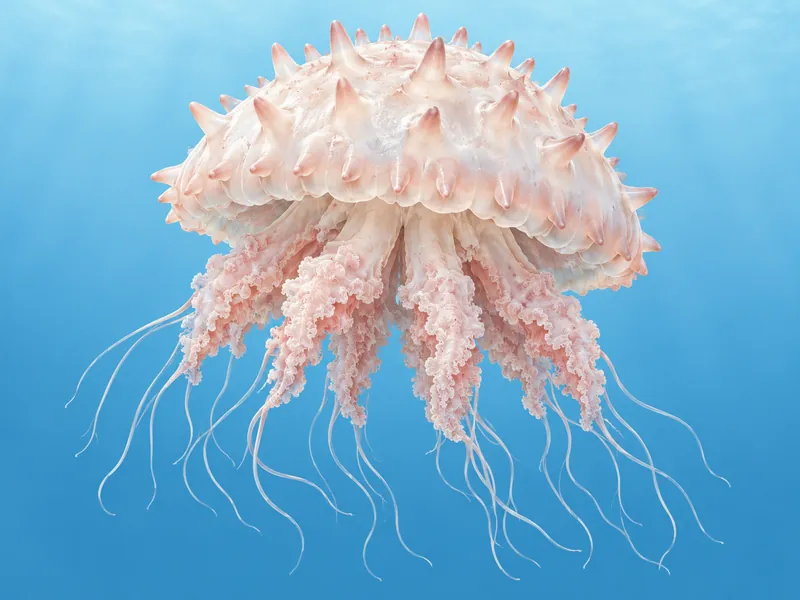
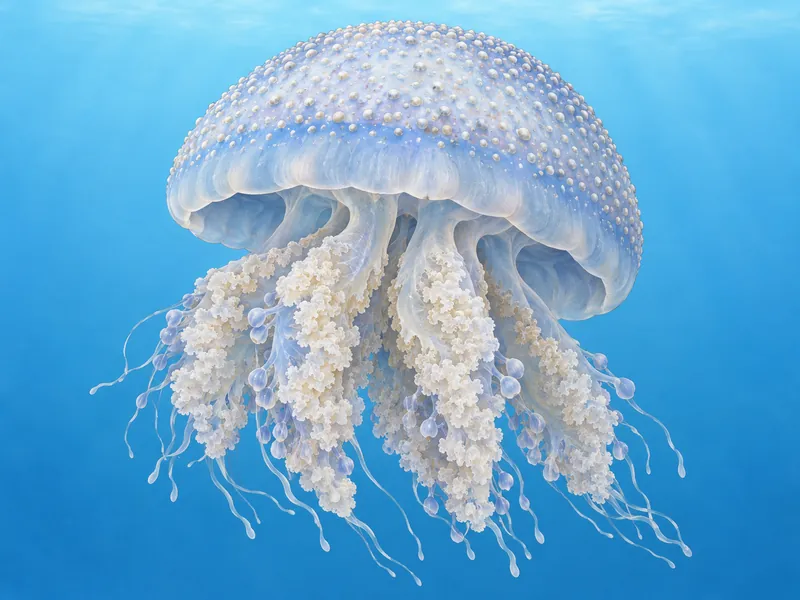
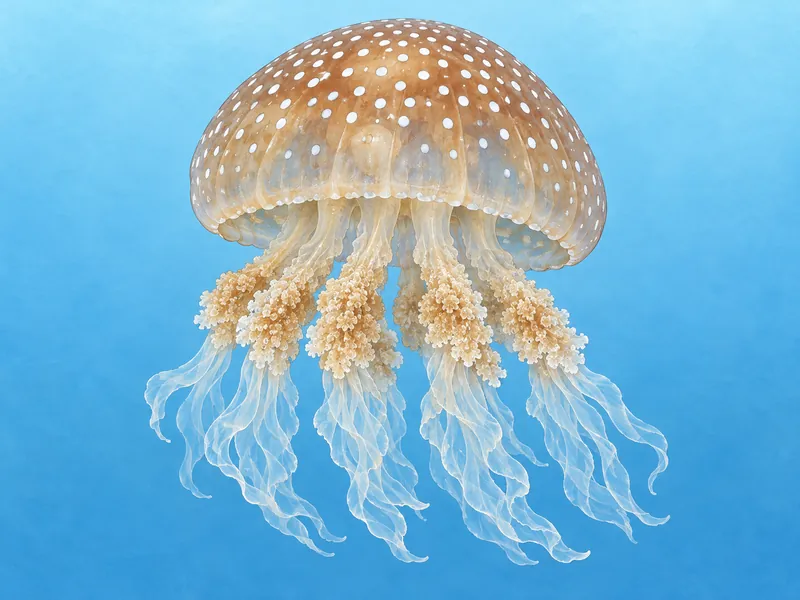
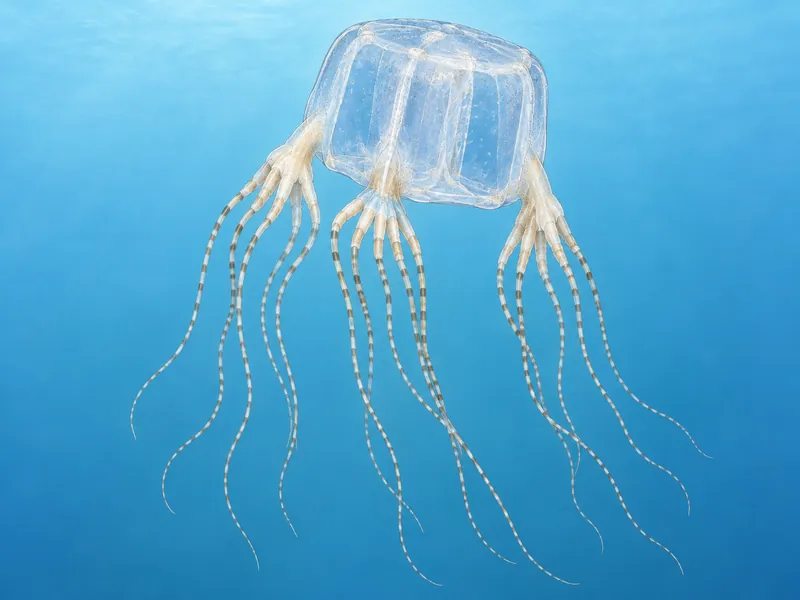
This is the dry-season jellyfish period: large rhizostome jellyfish, lilac medusae and stinging plankton. Bluebottles are rare on the Andaman coast at this time.
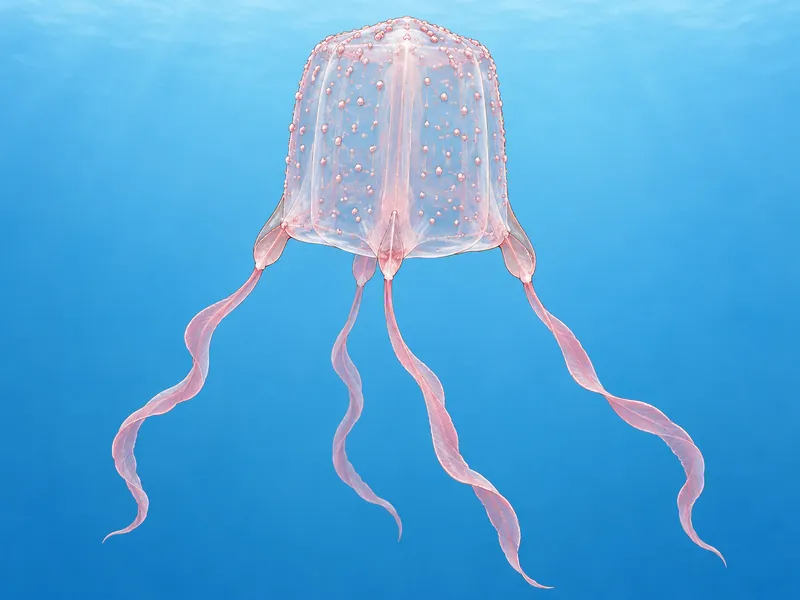
Koh Phi Phi: jellyfish month by month
- January: Usually moderate risk. High risk on 1% of days. Onshore wind on 42% of days. Official warnings: 0. Eyewitness reports: 5.
- February: Usually moderate risk. High risk on 1% of days. Onshore wind on 43% of days. Official warnings: 0. Eyewitness reports: 2.
- March: Usually moderate risk. High risk on 1% of days. Onshore wind on 45% of days. Official warnings: 0. Eyewitness reports: 10.
- April: Usually moderate risk. High risk on 16% of days. Onshore wind on 49% of days. Official warnings: 0.
- May: Usually moderate risk. High risk on 16% of days. Onshore wind on 53% of days. Official warnings: 0.
- June: Usually moderate risk. High risk on 4% of days. Onshore wind on 56% of days. Official warnings: 0. Eyewitness reports: 5.
- July: Usually moderate risk. High risk on 2% of days. Onshore wind on 57% of days. Official warnings: 0.
- August: Usually moderate risk. High risk on 3% of days. Onshore wind on 57% of days. Official warnings: 0.
- September: Usually moderate risk. High risk on 2% of days. Onshore wind on 56% of days. Official warnings: 0. Eyewitness reports: 4.
- October: Usually moderate risk. High risk on 0% of days. Onshore wind on 49% of days. Official warnings: 0. Eyewitness reports: 8.
- November: Usually moderate risk. High risk on 0% of days. Onshore wind on 45% of days. Official warnings: 0. Eyewitness reports: 2.
- December: Usually low risk. High risk on 0% of days. Onshore wind on 41% of days. Official warnings: 0.
- Low
- Moderate
- High
- Very high
Colour shows the typical risk level that month; the number is the share of high-risk days. Warnings and sightings are in each month’s tooltip.
Questions and answers
Are there jellyfish in Koh Phi Phi in March?
March in Koh Phi Phi is a month of moderate risk. The prevailing east wind of about 4.3 m/s is blowing along the shore; mean waves 0.3 m, water 29.8 °C. Based on 2022–2026 weather the model rates about 1% of days in this month as high risk. Official DMCR jellyfish warnings in March: 0.
Where in Koh Phi Phi is the jellyfish risk lowest in March?
Based on this month’s weather the risk is lowest at: Laem Tong Beach, Loh Dalum Bay, Loh Samah Bay.
What to do if a jellyfish stings you in Thailand?
Get out of the water. Call 1669 for trouble breathing, chest pain or collapse. Do not rub the sting and do not rinse it with fresh water. If a box jellyfish is possible, pour vinegar over the sting for at least 30 seconds.