



Jellyfish in the Gulf of Thailand
Today in the Gulf of Thailand, 1 of 105 beaches has a high jellyfish risk and 104 a moderate one. Highest: Talo Samilae Beach. It is an estimate, not a guarantee: follow beach flags and lifeguards.
Jellyfish in the Gulf of Thailand today and for 5 days: risk on 105 beaches in 25 areas, where it is higher now, when the season is and which species occur.
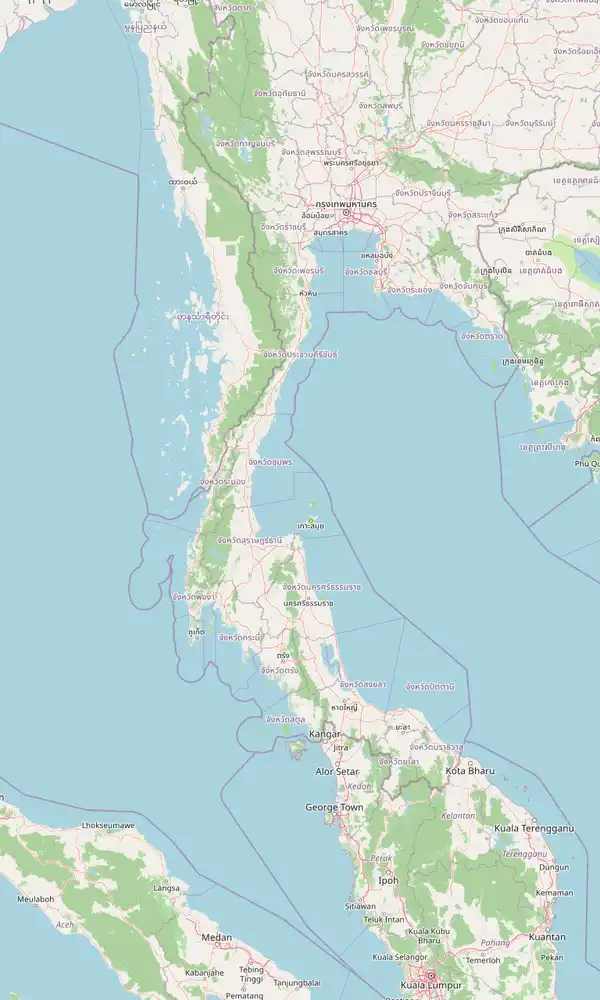
Areas by risk today
- Pattani2 beachesHigh
- Ang Thong Marine Park1 beachModerate
- Prachuap Khiri Khan5 beachesModerate
- Chumphon3 beachesModerate
- Koh Samet7 beachesModerate
- Koh Phangan10 beachesModerate
- Hua Hin & Pranburi10 beachesModerate
- Songkhla4 beachesModerate
- Koh Samui10 beachesModerate
- Koh Larn5 beachesModerate
- Khanom & Sichon5 beachesModerate
- Koh Tao5 beachesModerate
- Koh Chang7 beachesModerate
- Cha-am2 beachesModerate
- Rayong5 beachesModerate
- Chanthaburi3 beachesModerate
- Narathiwat2 beachesModerate
- Koh Wai1 beachModerate
- Bang Saen1 beachModerate
- Koh Mak2 beachesModerate
- Pattaya7 beachesModerate
- Surat Thani coast1 beachModerate
- Koh Kood5 beachesModerate
- Trat coast1 beachModerate
- Koh Si Chang1 beachModerate
Gulf of Thailand: jellyfish month by month
- January: Usually moderate risk. High risk on 0% of days. Onshore wind on 56% of days. Official warnings: 5. Eyewitness reports: 76.
- February: Usually moderate risk. High risk on 8% of days. Onshore wind on 60% of days. Official warnings: 3. Eyewitness reports: 217.
- March: Usually moderate risk. High risk on 13% of days. Onshore wind on 61% of days. Official warnings: 1. Eyewitness reports: 157.
- April: Usually moderate risk. High risk on 2% of days. Onshore wind on 59% of days. Official warnings: 1. Eyewitness reports: 79.
- May: Usually moderate risk. High risk on 0% of days. Onshore wind on 51% of days. Official warnings: 0. Eyewitness reports: 53.
- June: Usually moderate risk. High risk on 9% of days. Onshore wind on 50% of days. Official warnings: 0. Eyewitness reports: 171.
- July: Usually moderate risk. High risk on 25% of days. Onshore wind on 49% of days. Official warnings: 4. Eyewitness reports: 226.
- August: Usually moderate risk. High risk on 23% of days. Onshore wind on 49% of days. Official warnings: 1. Eyewitness reports: 317.
- September: Usually moderate risk. High risk on 11% of days. Onshore wind on 47% of days. Official warnings: 0. Eyewitness reports: 215.
- October: Usually moderate risk. High risk on 13% of days. Onshore wind on 41% of days. Official warnings: 0. Eyewitness reports: 273.
- November: Usually moderate risk. High risk on 2% of days. Onshore wind on 44% of days. Official warnings: 0. Eyewitness reports: 101.
- December: Usually low risk. High risk on 1% of days. Onshore wind on 49% of days. Official warnings: 0. Eyewitness reports: 66.
- Low
- Moderate
- High
- Very high
Colour shows the typical risk level that month; the number is the share of high-risk days. Warnings and sightings are in each month’s tooltip.
Jellyfish found here
Questions and answers
Are there jellyfish in the Gulf of Thailand right now?
Today across 105 beaches: moderate — 104, high — 1. The highest estimate is in Pattani. Jellyfish reports in the last 7 days: 0. It is an estimate, not a guarantee: "no reports" does not mean there are no jellyfish. Check beach flags and follow lifeguards.
When is jellyfish season in the Gulf of Thailand?
Based on 2022–2026 weather, the risk in the Gulf of Thailand is most often elevated in July, August, September. Official DMCR warnings on these beaches: 15.
Which dangerous jellyfish occur in the Gulf of Thailand?
Recorded on this coast: Thai box jellyfish (Chironex), Chiropsoides box jellyfish, Morbakka (single-tentacle box jellyfish), Portuguese man o’ war (bluebottle), Sea nettle (fire jellyfish).
What should I do if a jellyfish stings me in Thailand?
Get out of the water. Call 1669 for trouble breathing, chest pain or collapse. Do not rub the sting and do not rinse it with fresh water. If a box jellyfish is possible, pour vinegar over the sting for at least 30 seconds.