



Jellyfish at Ao Phai
อ่าวไผ่ · Koh Samet · Gulf of Thailand
Main factor: Stronger wind than usual
Conditions or reports nearby make an encounter more likely.
Today the jellyfish risk at Ao Phai Beach is moderate. Main factor: stronger wind than usual. In October it is usually moderate here. It is an estimate, not a guarantee: follow beach flags and lifeguards.
What to expect today
- Other jellyfish and stinging planktonModerate
- Bluebottles (Portuguese man o’ war)Moderate
- Box jellyfishModerate
5-day outlook
- TodayModerate3 m/s SE — Wind: up to 3 m/s, blowing from SE. The arrow shows where it blows to. Onshore wind pushes jellyfish to the beach.0.2 m — Waves: up to 0.2 m during the day. Strong onshore waves wash jellyfish ashore; box jellyfish prefer calm water.2 mm — Rain: 2 mm in the day. Box jellyfish are more common near river mouths after heavy rain.
- TomorrowModerate4 m/s SE — Wind: up to 4 m/s, blowing from SE. The arrow shows where it blows to. Onshore wind pushes jellyfish to the beach.0.3 m — Waves: up to 0.3 m during the day. Strong onshore waves wash jellyfish ashore; box jellyfish prefer calm water.9 mm — Rain: 9 mm in the day. Box jellyfish are more common near river mouths after heavy rain.
- Tue 27Moderate3 m/s NE — Wind: up to 3 m/s, blowing from NE. The arrow shows where it blows to. Onshore wind pushes jellyfish to the beach.0.3 m — Waves: up to 0.3 m during the day. Strong onshore waves wash jellyfish ashore; box jellyfish prefer calm water.4 mm — Rain: 4 mm in the day. Box jellyfish are more common near river mouths after heavy rain.
- Wed 28Moderate3 m/s NE — Wind: up to 3 m/s, blowing from NE. The arrow shows where it blows to. Onshore wind pushes jellyfish to the beach.0.2 m — Waves: up to 0.2 m during the day. Strong onshore waves wash jellyfish ashore; box jellyfish prefer calm water.1 mm — Rain: 1 mm in the day. Box jellyfish are more common near river mouths after heavy rain.
- Thu 29Moderate2 m/s NE — Wind: up to 2 m/s, blowing from NE. The arrow shows where it blows to. Onshore wind pushes jellyfish to the beach.0.2 m — Waves: up to 0.2 m during the day. Strong onshore waves wash jellyfish ashore; box jellyfish prefer calm water.8 mm — Rain: 8 mm in the day. Box jellyfish are more common near river mouths after heavy rain.
- Fri 30Moderate3 m/s NE — Wind: up to 3 m/s, blowing from NE. The arrow shows where it blows to. Onshore wind pushes jellyfish to the beach.0.1 m — Waves: up to 0.1 m during the day. Strong onshore waves wash jellyfish ashore; box jellyfish prefer calm water.2 mm — Rain: 2 mm in the day. Box jellyfish are more common near river mouths after heavy rain.
Why this level
Total: Moderate Other jellyfish and stinging plankton
- Other jellyfish and stinging plankton Moderateraises riskabove usual for the season · stronger wind than usual · onshore wind
- Bluebottles (Portuguese man o’ war) Moderateraises riskabove usual for the season · steady onshore wind for 3 days · stronger wind than usual
- Box jellyfish Moderateraises riskabove usual for the season · rain · waves toward the shore
October is an average month for jellyfish on the eastern Gulf coast, the wind blows from the sea (~2.2 m/s), stronger than usual, the wind has blown from the sea for 3 days in a row, which is how bluebottles usually arrive, the sea is calm (waves ~0.2 m), so the risk level is moderate. There are no recent jellyfish reports.
Recent reports
No recent reports.
Report jellyfish
At this beach now? Your report helps others. "No jellyfish today" is useful too.
Seasonality
Ao Phai: jellyfish month by month
- January: Usually moderate risk. High risk on 0% of days. Onshore wind on 52% of days. Official warnings: 0.
- February: Usually low risk. High risk on 10% of days. Onshore wind on 65% of days. Official warnings: 0.
- March: Usually moderate risk. High risk on 13% of days. Onshore wind on 92% of days. Official warnings: 0. Eyewitness reports: 1.
- April: Usually low risk. High risk on 0% of days. Onshore wind on 97% of days. Official warnings: 0.
- May: Usually moderate risk. High risk on 0% of days. Onshore wind on 75% of days. Official warnings: 0.
- June: Usually moderate risk. High risk on 3% of days. Onshore wind on 27% of days. Official warnings: 0.
- July: Usually moderate risk. High risk on 29% of days. Onshore wind on 19% of days. Official warnings: 0.
- August: Usually moderate risk. High risk on 35% of days. Onshore wind on 28% of days. Official warnings: 0.
- September: Usually moderate risk. High risk on 13% of days. Onshore wind on 27% of days. Official warnings: 0.
- October: Usually moderate risk. High risk on 8% of days. Onshore wind on 42% of days. Official warnings: 0.
- November: Usually low risk. High risk on 0% of days. Onshore wind on 37% of days. Official warnings: 0.
- December: Usually low risk. High risk on 0% of days. Onshore wind on 27% of days. Official warnings: 0.
- Low
- Moderate
- High
- Very high
Colour shows the typical risk level that month; the number is the share of high-risk days. Warnings and sightings are in each month’s tooltip.
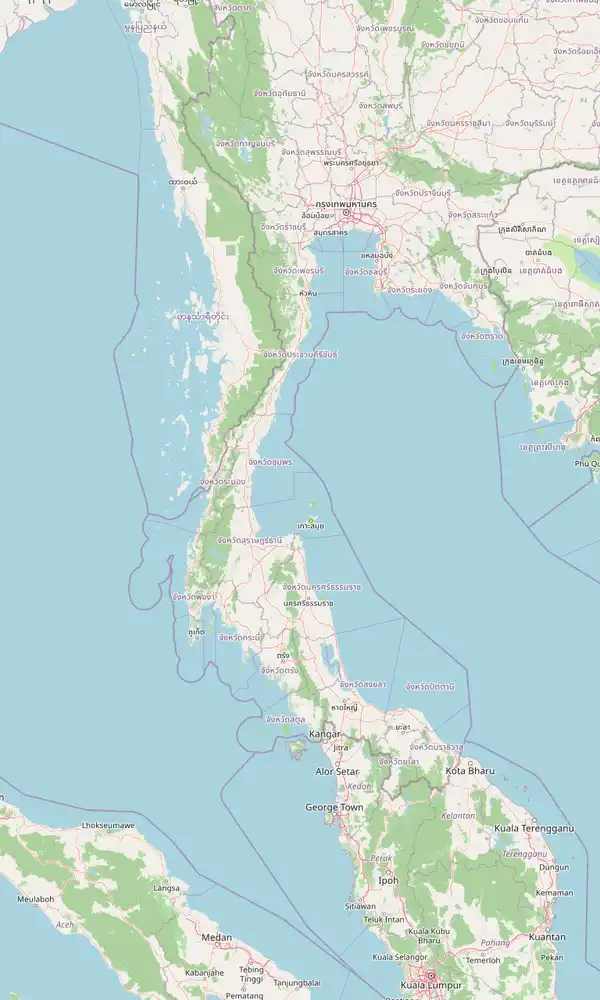
Coordinates: 12.5631, 101.4583
Questions and answers
Can I swim at Ao Phai today?
Today's estimated risk is moderate; main factor: stronger wind than usual. It is an estimate, not a guarantee: "no reports" does not mean there are no jellyfish. Check beach flags and follow lifeguards.
Have jellyfish been seen at Ao Phai recently?
No reports in the last 14 days. It is an estimate, not a guarantee: "no reports" does not mean there are no jellyfish. Check beach flags and follow lifeguards.
In which months are jellyfish more likely at Ao Phai?
Based on 2022–2026 weather, the risk is most often elevated in July, August, September. Official warnings nearby: 0.
Who do I call after a jellyfish sting?
Emergency medical services in Thailand: 1669 (free). Alert the beach lifeguard; if a box jellyfish is possible, pour vinegar over the sting for at least 30 seconds.